Welcome to Hill Country Herbalist

Wednesday, September 21, 2011

Edible and Medicinal Hill Country Herbs Thriving in the Late Summer Heat

Here in the Hill Country (and most of Texas, actually) we've not seen any real rain since last fall. We've had record temperatures and months and months of very hot dry weather. Couple a long drought with hot weather and we have more than dying trees and plants to worry about! We've been experiencing random fires popping up everywhere - all it takes is a careless toss of a lit cigarette or even a car idling in the grass. It's scary.

Just this week we had weather in the 90's and let me tell you - after weeks and weeks of 100+ degrees - the 90's feels pretty darn nice!!

I thought I'd post about our Texas Herb Hero's this evening as I sit in the garden and enjoy the cool northern breeze. These herbs not only sustained the miserable dangerous heat all on their own, with little to no water- they proved that even in the roughest of times you can count on them for medicine and food. Here are a few of the lovely, juicy, delicious and medicinal plants thriving and withstanding hungry deer and brutal weather in the Texas Hill Country:

Briar or Smilax bona-nox: Although this speckled leafed thorny plant looks like it would be too tough to digest, the smooth new shoots and leaves are quite edible and tasty. The young leaves can be enjoyed straight off the vine and tastes a bit like asparagus. You can harvest the young leaves and cook them as well – although some see this thorny plant as a headache – it’s actually quite useful as a food.

The root tubers can also be prepared to improve male fertility as well as easing PMS in women. I plan on harvesting the root and incorporating it into a special salve for skin ailments.


Mullein (Verbascum thapsus): Leaves can be harvested the first year and the flowers can be harvested the second year. It will bloom in its second year. Lighting the leaves and inhaling a bit of the smoke has been an herbal remedy for asthma symptoms as well as respiratory symptoms. The leaves can be infused in water and drunk like a tea to ease a distressed respiratory system and sinus infections. With all the Texas wildfires – this is a good plant to have on hand to help our boost our respiratory systems.

If you follow this blog, you also know I use the leaves in my “Happy Camper” lotion to skin exposed to the elements and from a hard day gardening. The flowers can also be infused in oils to help with ear aches as well as made into salves and lotions for the skin. All parts of this soft and gentle herb can be used: roots and all. It’s a true gift to find one of these plants on the property.


Purslane (Portulaca oleracea): This little plant seems to pop up in potted plants all around my garden. It does very well with little water and brutal sun. The Purslane I have produces small yellow flowers. The juicy red stems are one of its identifying traits. Purslane can be tossed into salads or lightly stir fried with olive oil. It’s a tasty food and keeper in my book!

Finally, let's not forget our long trusty and faithful friend - Cactus. Right now, the fruit, or tunas, are deep deep red and ready to be pureed into something special. Last year, Herbhusband and I made prickly pear margaritas!

Within this dry landscape is our fenced in well tended garden producing flowers and food. It is a spoiled garden heavily dependent on our daily tending in order to thrive. However, it is valuable to know which plants naturally thrive and grow around us - solely dependent on nature and not on human contributions. I enjoy seeing and meeting these wise, strong, medicinal plants as they thrive under these harsh weather conditions. It's as if meeting an elder from centuries past. They seem to share stories of long ago as well as teach the importance of contributing to their land through their perseverance and will to survive.

Sunday, August 28, 2011

Loving Lavender - Drink it, clean with it, love it!

I'm in love with lavender. Lavender, Lavendula officinalis, is one lovely herb. Flowers can be gathered in late summer, dried and used in wellness blends, beauty products, and cleaning products, as well as aromatherapy. In my full exploration of this herb, I've tried and used it in all sorts of concoctions and at the end of the day - grew a true and loyal love to this amazing herb. Here's why:

- Lavender has an anti-spasmodic or soothing effect to smooth muscle tissue including our digestive tract
- Lavender relaxes and helps the body release nervous tension. It helps the central nervous system by allowing it to relax and promotes calmness and sleep.
- Very good when sipped as a tea for relieving headaches related to tension as well as allowing the body to "take a deep breath" in order to mend and rest.
- Knowing there is a mind and digestive tract connection...it's no wonder this herb works wonders on assisting with anxiety/depression, digestive disorders, and promoting rest and relaxation! When our digestive tissues are positively affected and our central nervous system is encouraged to relax - the result is bliss!

When I started drinking lavender infusions, I had no agenda. I simply wanted to learn this herb and wanted to add it to food, beverages, beauty products, cleaning products...all in an effort to fully explore this herb and fully enjoy its beauty.

When I started using it in my facial scrubs and serums I noted a cleaner and clearer complexion. I attributed this to its antibacterial properties. When I started drinking this herb, I noted my typical "type A" brain became more grounded and less "worried and shifty in thought". I was able to nap (something I don't tend to do...ever! I slept so soundly at night and I woke up knowing I hadn't tossed or turned all night. I was amazed how my typical anxious nature had settled as if my entire body had breathed a giant sigh of relieve and finally rested.

Herbhusband also concluded the same results, proving even a "type b" could further relax and rest! Imagine that!


Here’s a wonderful way to drink lavender. I simply love this and hope you do, too!
Lavender Infused Lemonade

- juice 6 large lemons
- 3 tablespoons lavender blossoms
- 4 tablespoons local honey
- water

To make lavender/honey simple syrup to sweeten the lemonade, bring a couple cups of water to a boil, take off heat and dissolve local honey and introduce/infuse lavender to the heated liquid. Let sit and infuse for 10 minutes. After 10 minutes, strain out the blossoms and you have beautiful lavender simple syrup.

In a pitcher, add the juice of 6 large lemons and add 6 cups water. Add the lavender simple syrup and stir. I like mine a bit tart, so if this recipe is too tart for you, simply add more water ;) Serve over ice with a sprig of fresh mint and enjoy the goodness!

Now on to cleaning! Now that you are all refreshed and hydrated let's explore lavender's antiseptic properties as a cleaning solution. This is a wonderful way to keep your surfaces clean for a fraction of the cost of "green" cleaning solutions on the market. This is one of my favorite all purpose cleaners:

Lavender Citrus Vinegar All Purpose Cleaner


- 1/2 cup lavender blossoms
- 1/4 cup citrus peels
- 32 oz white distilled vinegar

In a jar, place all ingredients and seal. Let sit for 2-3 days. Shake daily. After the 2nd or 3rd day, strain depleted lavender and citrus peels from the infusion. Bottle and add 10 drops lavender essential oil and 10 drops thyme essential oil if desired. (To make this infusion go even further, you can add one part distilled water to 4 parts vinegar infusion and it works very nicely, as well).

Don't you love the gorgeous pink tone the vinegar takes on? Works like a charm on granite, marble, stainless steel, and many other surfaces. Enjoy!!


Tuesday, August 9, 2011

Early Memories: A Little Herbalist In The Making

When I look back at my earliest memories as a child I remember mulberries and pomegranates.

What a wondrous gift to be born to a family who simply loved and celebrated plants. My dad is a biology major and I grew up with a scope in my hand looking at insect larva, eggs that were freshly laid on leaves, stamens and pistils in flowers, or whatever else he would show me. I’m so thankful for that.

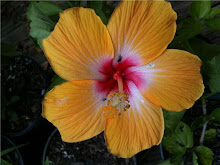
My paternal grandparents loved plants, too. My grandfather and grandmother would hold me in their arms as they showed me all the plants they grew in their gardens…images fill my mind with hibiscus, begonias, pecan trees, fruit trees, potted herbs, and much more. My grandfather passed away a couple of years ago. I have one of the last hibiscus cuttings he made in full bloom on the front page of my blog and the hibiscus lives on in my garden.

However, It’s not often I remember my maternal grandmother, and tonight, my memories are awakened of her. Grandma passed when I was only 8 – some 28 years ago.

When I was 3 or so years old, I remember climbing up her rather large mulberry tree with my cousin Lin. We would laugh and giggle and simply eat our weight in mulberries! One afternoon, as my mother and aunts visited in chairs around the tree, I climbed down to get some of the grapefruit my mom was peeling. She gave me a segment of grapefruit and I did what I always did as a child….I dug into the segment to grab the tiny pulp, held it between my fingers, and then held it up to my aunt’s face and said “fishy fishy!”

Obviously, I didn’t have all my words developed just yet but I remember getting extreme joy from showing her the shiny juicy pulp shaped like a whale or “fish”. I remember my aunt laughing and encouraging me – what a magical moment. I then remember running back up the mulberry tree, which had nailed in boards on the trunk for easy climbing, and sharing more time with my dear cousin Lin.

What a joyous childhood. Life was simple. Life was outdoors and filled with fresh smells and tastes of our plant friends.

When we got tired of the mulberry tree, my cousins and I would run circles around the pomegranate tree in my Grandma's front lawn. I remember getting my hands on a pomegranate and peeling it open for the first time – staring at the jeweled bright red fruit – it was simply fanciful! To taste that fruit opened my senses for sure! It felt magical and special – there is something very special about pomegranates. To this day, I celebrate this memory and this regal fruit by incorporating it in some way during the holidays.

Certainly, my maternal grandmother loved plants – she didn’t have much money but she certainly knew the importance of plants and the garden. I didn’t get to know her very well, as she passed so young….but she left behind generations imprinted with her love and her love of plants.

I think it’s amazing how early in our childhood most of us connect to the earth in a deep and wondrous way. We love our mother earth…the insects…the animals…the plants….ourselves and our family.

Somewhere along the way, some of us get lost. We forget mother earth…we forget the beautiful animals and plants as we work to make a living. Sometimes, it’s good to let go and re-connect…connect back to our roots. The roots of our ancestors and the roots of our earth….

Saturday, August 6, 2011

Late Summer Brings Jalapeno Pepper Bounty: Now What?

Hurray for summer and hurray for late summer harvests! One of the most prolific plants we have growing in the hill country garden (besides tomatoes) is jalapeno. We are harvesting about 40 jalapenos a week! They are gorgeous, shiny and plump! We don't use any pesticides or toxic matter in our gardens, so this is all pure and unadulterated goodness!

I had to start thinking creatively here....what to do with 40 jalapeno peppers per week? I've certainly given out plenty to friends so I had to think of responsible ways to preserve and celebrate this bounty.

Aha! Time for the dehydrator!

In very short order, I cleaned and sliced a couple dozen peppers and arranged them on the dehydrator tray sheets. Aren't they magnificent?

While I was at it, I sliced up some bell peppers and heirloom tomatoes from the garden and added them to the dehydrator, too.

When tomatoes are dehydrated, their flavors get concentrated and are so mouth wateringly delicious! They can be stored and used throughout the year. They can be used as a chip with dips and they can be ground and added to season foods - it's incredible flavor that can’t be beat.

Once the sliced peppers were fully dehydrated, I just took time to marvel at this beautiful fruit. It seems the more you work foods into different forms (infusions, dehydrated, raw, cooked, pureed, etc.), the more you get to know and appreciate what it has to offer.

As I held the peppers in my hands and smelled the intoxicating smoky sweet aroma it exuded, I began to think about how lovely this would be powdered and ground into spice.

Before I did that, I offered one of the dried slices to herbhusband whose face and eyes after eating it turned bright red....after a couple coughs and a bit of beer - he smiled and said how delicious the pepper was. Although the flavor of the pepper is deepened the heat was very much intact!

Seeing I was in one of my "busy body" moods, I grew more excited about grinding these peppers into spice. Out came my trusty grinder and as I placed handful after handful of these lovely jalapeno pepper chips in the grinder - I knew I was on to something good!


As I started to grind the peppers, the fine powder filled the air and absolutely took my breath away! I realized the vital potency of the peppers was so strong I needed to cover my nose before I continued to grind! Wow, were they strong! My eyes watered and I coughed a bit. Once I used a scarf to shield my nose I was back in business!

The result was pure delight. A beautiful spice was being created before my eyes! I continued to grind - seeds and all.

This is really worth doing and I recommend you try this at home… The rich color and rich aroma is mouth watering and irresistible.

This is what a couple dozen sliced, dehydrated and ground peppers looks like! Amazing -

Now, instead of staring at jalapenos sitting on the counter top getting wrinkly from not being able to eat them in time, I can enjoy and share this deep...rich...aromatic spice with friends and family all year long. I can hardly wait to sprinkle some on deviled eggs and in soups!


Now...what to do with the rest of the 60 jalapenos I picked out of the garden? I see pickled jalapenos in apple cider vinegar in my future ;)

Saturday, July 16, 2011

Herb Pesto: Capturing Summer's Herbal Bounty

When it comes to cooking, I like to break the rules. Traditional pesto includes basil, olive oil, garlic, lemon juice, pine nuts, parmesan cheese, and salt/pepper to taste. Fresh pesto is divine. It's delicious and full of mouth popping flavor.

One evening, I committed to making pesto for dinner and realized I didn't have enough basil to harvest from in the garden. Inspired by the other herbs in the garden, I began to harvest Greek oregano, thyme, sage, Thai basil, jalapeno peppers (mild), and chives. Into the blender they all went!
I added pine nuts, garlic, fresh lemon juice and olive oil. I left the cheese out since I like it just as much without it.

The blend was harmonious and exciting! I placed a small pool of the pesto directly on a plate and gently nestled seared scallops on the pesto. For the salad, I placed fresh greens with tomatoes from the garden and I took some of the left over pesto and added a tablespoon of red wine vinegar. Whalaa! A complimentary salad dressing was made. This evening meal was joyous and herbhusband still raves about it to friends. Since it brought such happiness to our palette, I wanted to share this idea with you to hopefully bring joy to yours! Bon appétit!

Sunday, July 10, 2011

10th International Herb Symposium: Massachusetts

Just returned back to Texas from the 10th International Herb Symposium held on the Wheaton College campus in Massachusetts. The campus was just beautiful….so many beautiful trees in bloom, rich lush plants, and lovely ponds. Rosemary Gladstar, dubbed the fairy godmother of plants and herbalists alike, is behind this educational and spiritual movement furthering our deep appreciation of medicinal plants. The herb symposium not only brings together herbalists from all over the world; it also benefits the nonprofit organization, United Plant Savers, she lovingly founded.

Speakers included Susun Weed, Michael Tierra, David Winston, Phyllis Light, Michael Friedman, Mark Blumenthal, Paul Stamets, CoreyPine Shane, Todd Elliott, Margi Flint, jim mcdonald, and many others.

Opening Ceremonies welcomed herbalists far and wide. Attendees entered into a beautiful chapel on campus; opening our hearts with Hawaiian, Native American, and Shaman chants and prayers. White sage purified all who entered this sacred space. With joy in our hearts we were off to further or knowledge of medicinal plants and herbs.

I’ll only feature a couple of classes in this entry, but keep in mind the amount of information received in this 3 day conference was intense! Also, stay tuned for a special guest blog entry from herbhusband! He concentrated on medicinal mushrooms and their benefits to our ecosystem as well as on the amazing work of the honey bee.

The Dirty Dozen: 12 plant roots and their benefits with Matthias and Andrea Reisen of Healing Spirits Herb Farm and Education Center.

When I decided to take this class, I thought we would pass around baskets of dried and fresh roots and review their common uses, etc. Then, I see Andrea Reisen clinging to a pitch fork and the very tall Matthias telling us all – we are going to have class, but it won’t be in here! Off to the campus landscapes we go! The goal? To find 12 plants known for their medicinal qualities, specifically their roots, naturally growing on and around campus. Here are some of the plants we found:

#1)Dandelion(Taraxacum officinale)
Dandelion is often considered a "weed" and found along roadsides and in lawns throughout the United States. However, if you have a pesticide free lawn, instead of discarding this plant, harvest it and utilize it for its nourishing properties. Dandelion is high in vitamins A and C. Newer leaves can be eaten in fresh salads. Aerial parts of the plant can be tinctured and taken as a bitter to aid liver function and digestion.
The root can be eaten fresh, sautéed with olive oil and salt/pepper and makes a delicious side dish. It can be dried and infused and sipped on as a coffee substitute. This is a wondrous gift we have growing all around is, it's time we celebrate dandelion and find room for it in our daily lives.


#2)Barberry
Barberry's woody root and stems contain alkalines, most beneficially, berberine. Berberine has anti-inflammatory and antimicrobial properties. When the woody exterior is scraped off with a knife, the inner bark reveals the bright yellow color synonymous with berberine. The more tender roots can be scraped, dried 75-80 percent and tinctured.

#3) Poke Weed
Poke is listed in many books as poisonous, but when you talk to seasoned herbalists, they tend to see the benefits of this plant and appreciate its properties. Touching the root can cause contact dermatitis in some people. I tend to be a sensitive person and I held the root without any side effects from the direct contact. Matthias says to dig it up in early spring or fall, before or after the bloom stalk so all the energy is restored in the root. Some herbalists have used is assisting with tumors and lymphatic flow since it's considered a lymphatic mover.

#4) Greater Celandine (Chelidonium majus)

Member of the poppy family offering yellow blooms (bi-annual). The whole plant can be used - dry it, grind it and tincture it since it's too strong to drink as a tea. The "orange blood" that comes from breaking off a piece of the root can be applied directly to warts on the skin. This plant likes to grow along the edges of wooded areas and prefers part sun and part shade.
#5) Solomon’s Seal

Andrea says this is, "The candy of the root family....It's like the earth is giving you its sweetness. When you eat it it's like being wrapped by mother earth". Solomon’s Seal is good for ligaments. Andrea gave an example of a dog who had been hit by a car and the dog's jaw was misaligned. Worried the owner dropped some Solomon’s Seal tincture under the dog's tongue and on the way to the vet the jaw had moved back into place. The effect it has on ligaments is why this can be an herbal favorite. The best way to harvest this plant is to take some of the root and replant the plant along with the nodes and it will grow back in its place. Prefers to grow in shade under trees.

#6) Japanese Knotweed
Also known as "Mexican Bamboo" this plant is considered evasive and hard to control once planted. Smaller rhizomes can be used since the larger ones are too hard on blenders and machines when attempting to break it down. It's said this root is used in Lyme disease remedies as well as in cancer since it is said to build up the immune system. People prefer to take it along with a mucilaginous plant since Japanese Knotweed is astringent and drying. Harvest early spring or fall when most of the energy of the plant returns to the roots.

#7) Mullein Root

Mullein is a bi-annual and best harvested when not in flower. Mullein root has been used with older people who have trouble with urinary incontinence. It can be made as a tea or tincture and it was discussed during the walk that it would be ideal for nursing homes to serve as a tea. David Winston also uses it for face pain associated with Palsy.


Adaptogens: Herbs for Strength, Stamina and Stress Relief with David Winston

"What herbalists (know) is too good to be kept in a corner some place - there are so many things we can do to help medicine work better. Specificity must increase among herbalists. Good herbal medicine is to learn to treat the person not the disease. Stop thinking about diseases and start thinking about the plant, the person and the timing." David Winston

The idea of adaptogens dates back to around 1947 and was coined by Dr. Breckman who defined adaptogens as plants with non specific, general operation which have a normalizing effect on the body with little to no side effects. Breckman is considered the "father of adaptogen research".

Adaptogens, taken over time, assist with a wide variety of conditions but specifically increases our body's ability to deal with stresses and conditions our body to have a more appropriate response to the stress.

David Winston was emphatic about herbalists needing to boost their knowledge of how herbs work within the body; increasing the science element in addition to the work herbalists are doing around the world.

All adaptogens have antioxidant activity but not all antioxidants are adaptogens.

Panossian expanded research on what adaptogens do. Panossian and Wagner found a cellular mechanism for adaptogenic activity. Adaptogens activate chaperone molecules know as heat shock proteins (this inhibits the mitochondria and ATP production). Essentially, what occurs is the "engines of our cells" become more effective in responding to stress hormones released in the body. Adaptogens prime the body and prevent the effects of stress from damaging our cellular machinery.

Microbial endocrinology found increases in stress hormone levels can cause us to be more susceptible to infection and disease. Adaptogens can help prevent bacterial infections by decreasing cortisol levels.

David Winston discussed these well researched adaptogens in class:

- American Ginseng root (Panax quinquefolius)
The wildcrafted root is endangered. Please avoid promoting and harvesting and only purchase by ethical plant growers. American ginseng is neutral and warming. Good for adrenal exhaustion.

- Ashwagahdha root (Withania somnifera)
This can be grown in the US. It's an annual and in one year, it produces a good root to harvest from. Likes hotter drier areas in the garden. If you can grow tomatoes, peppers and eggplant, David says you can grow this plant.
Native to India, it is one of the calming adaptogens and used by many to assist with generalized anxiety disorder. Used also for autoimmune muscular conditions where the connective tissues and muscles are affected. Not to be given to people with hyper thyroid or anyone on thyroid medications. It is high in iron.

- Asian ginseng root (Panax ginseng)

This root comes in two forms: red and white. The white has been dried and the red has been steamed. Red is more stimulating and white is warming. This root is really too stimulating for most people, so the American ginseng is better suited. Asian ginseng really shouldn't be used by most people since it is over stimulating. This root is reserved for those who are completely depleted and exhausted to the point they can't function at any point in the day. Winston says it's been used for old men to build up vital energy.

- Eleuthero bark (Eleutherococcus senticosis)

Used mostly for younger people under temporary stress. It is one of the mildest adaptogens. Best in fluid extract. It is good for stressed out Type A's and good when taken over time. I'm actually taking this now (as I'm a renowned stressed out Type A, lol) and after about a week, I really started feeling brighter. I'm also easily over stimulated so I wanted to start with a milder adaptogen. I'm very happy with my Eleuthero tincture.

- Licorice rhizome (Glycyrrhiza glabra, G. uralensis)
Increases potassium and decreases sodium in the body when taken. Good in small amounts. Helps with irritated bowels from IBS or IBD. Good for dry coughs and animal dander sensitivities.

- Holy basil (Ocimum sanctum, O. gratissimum)
Mildly stimulating, enhances focus and decreasing brain fog. Winston referred to this herb as "lovely". He also said it is taken to assist with seasonal allergies, stagnant depression or situational depression that becomes permanent due to an event that a person can't seem to get past. Good with rosemary and rose petals for instances like this.

As you can see, the herb symposium was full of informative speakers and nonstop entertainment. Other activities included morning yoga, summer solstice celebration, product making contests, all you can drink herbal teas, a cookie social and book signing, the sweet sounds of Rising Appalachia, keynote by Paul Stamets of "Fugni Perfecti" and so much more.

It was really fun to attend the International Herbalists Ball with the Eames Brothers Band. A special Kava punch was served, a specialty by Rosemary Gladstar, and everyone was having a sensational time.


If you ever have an opportunity to attend this event, or any other herb conference, you'll surely have a great time!

Sunday, June 12, 2011

Making Elegant Lotions with Nutritive Rich Plants From the Garden

Herbdad gave us a cabernet grape vine several years ago. We planted it off the back patio and each year it offers shade and year-round beauty. It's wonderful to see the vine take hold and grow stronger each year while producing clusters of small red grapes. The grapes have rich peppery flavor and are smaller than regular table grapes. This time of year, the grapes are still green and hang in small clusters from the vine.
When growing plants in the herb garden, I'm always curious how I can take my appreciation one step further by learning how to make them into skin care products. In this case, the grape leaf is very high in vitamins and antioxidants, perfect for our skin!

Each year, I harvest the most vibrant and unblemished grape leaves. I carefully dehydrate them and store them until I'm ready to grind them and infuse them in oil. Today, I made a wonderful lotion featuring a combination of my grape leaves and raspberry leaves (harvested earlier this year).

This lotion is rich and luxurious. Raspberry leaves, grape leaves, calendula blossoms, mango butter and other butters simply make skin smile the moment you glide on this lotion. Oh, and the smell is wonderful - light and sweet! I used hints of mint and chamomile in this recipe. I am looking forward to sharing this with my friends - it's delightful!
I'm also growing two other varieties of grapes in the garden. Here you can see how different the leaves are from one another. Other herbs I recommend to grow during the summer for food, nutrition, wellness and skin care are Echinacea (great for skin toners for very oily and blemished skin),rosemary, and mint family herbs like bee balm, lemon balm, self heal, and basil. You can infuse these giving plants into vinegars, glycerin or oils - depending on the type of product you need. Infused oils are key for lotions and salves. Vinegars are great for hair rinses and facial toners. Glycerin infusions are great for ingestion as well as application on the skin.

In this case, the raspberry and grape leaves are my secret heroes in anti-aging crèmes. The skin drinks up these pants and becomes smooth and radiant with each use. I've noted when real plants are used in our products, they last longer, they are more effective and the visual effects linger well after the product has been applied. Experiencing the vibrancy of plants in skin care products makes it hard to go back to stale, artificial, lifeless lotions at the stores. There simply is no comparison.

Tuesday, June 7, 2011

Simple Summer Salad With Heirloom Tomatoes

Wow, is it Summer! It's only the first days of June and we are in the 90's by midday. Quite a contrast from last year's rainy cloudy Spring/Summer.

I've noted a bloom delay due to the heat with my bee balm. This time last year, I was collecting blossoms and making bee balm honey and bee balm infusions. What a difference. They are struggling to bloom this year. I'm taking close care of them in hopes of a delayed bloom and wonderful 2011 honey infusion.

The dry hot heat does make for some scrumptious tomatoes, though! Tomatoes just love the heat. This fruit originates near the equator so the hotter and sunnier the better!

We are having so much fun celebrating the heirlooms we planted earlier this year. Just take a look at these beauties fresh picked from the garden!

To make this simple summer salad all you need is:
- fresh picked basil from the garden
- organic red lettuce
- cottage cheese
- tomatoes from the garden (shown here Thomas Yellow and Black Pearl)
- Salt/Pepper

Be sure to eat outdoors to celebrate nature's bounty, no matter how big or small!

Monday, May 30, 2011

Garden Critters

The garden is strong this year. Tomatoes are taller than me! I have 8 heirloom tomatoes growing in one of the raised beds. While checking in on the tomato babies I found this striking pink moth on one of the leaves. I became mesmerized by this pink moth - so pretty and unique. I looked it up and identified it on the butterfliesandmoths.org website. This pink beauty is Pyrausta inornatalis,
or better known as southern pink moth.
Further down the tomato patch, I found a large section of leaves had disappeared! There's only one thing I know that can eat so much in so little time! Tomato hornworm! Herbhusband was shocked and made it his personal quest to find the bugger...and he did and boy was it big!

Tomato hornworms can eat and defoliate entire plants - leaving nothing left but some stripped stems. They tend to be 3-5 inches long and have a harmless spike near the rear part of their bodies. The horn looks fierce, but it won't hurt you. Even though I know that, I avoid touching it anyway.
Here's the hornworm shown beside an i-phone just for size comparison. They like to feed on nightshade plants such as peppers, potatoes, tomatoes and eggplants. I haven't had any trouble with them on anything other than tomatoes. They make a delicious treat for the birds so I toss them out in hopes a bird will come and take them away. The survivors turn into large dusty brown moths that I sometimes confuse for a hummingbird when I see them flying around. They have extremely long proboscis and they love to feed on tubular flowers in the late evening. They are kind of neat to watch. Each year, in late June or so, I see them feeding on the spider lily nectar at dusk.

The chard is doing very well. It's so fun to go into the garden and harvest these large flouncy leaves on bright red stalks. Chard is a bitter so it's excellent to add to your diet. Bitters stimulate digestion and give our digestive system the added oomph it needs to get things done.
Our lizard friends also enjoy the garden. I love anoles. These lizards are not only beneficial; they are very interesting to watch. Hummingbirds frequent the garden, too - especially since I have betony growing in two of the beds. The red throated flowers are a hummingbird favorite. Betony is in full bloom right now and adds visual interest as well as medicinal qualities so it's a win/win addition to any garden. That's the beauty of organic gardening - whether you're growing medicinal herbs or food, you can't go wrong extending a natural and safe environment for beneficial garden critters. Yes, the not so good bugs are there, but harboring a safe nurturing environment for their natural predators keeps everything in balance and harmony.

Monday, May 16, 2011

Potato Gratin with Basil Blossoms

Okay, so this post is just to share with you this amazing potato gratin I made last night. It's heaven. I really wanted to change things up on a traditional potato gratin recipe and thought about lavender blossoms but don't have any to harvest right now and thought, Aha! I have basil blossoms from the African Basil plants on my deck and they're beautiful and purple and delicious - surely they'll work...
and they did...mmmmm!

Basil blossoms have the most delicate suggestion of basil - not as strong as the leaves, but hints of the vibrant flavor and aroma. I've used basil blossoms in my summer salads, sprinkled with salt and pepper over fresh cut tomatoes, and when making chicken or vegetable stock. It's best to trim back the blossoms to encourage more leafy growth and extend the life of your basil plants. When trimming back the blossoms, think of using them in floral arrangements. I love adding basil to floral arrangements and when there are too many for that I simply add them to meals - it not only adds a touch of whimsy - it adds delicious delicate flavor. Never overpowering, basil blossoms can be added to so many dishes.

Try this one tonight!

Potato Gratin with Basil Blossoms:


- 4 to 5 medium sized organic potatoes (peeled and thinly sliced)
- 1 cup of your favorite cheese, grated (I used Fontina)
- 4 to 5 basil blossom stalks (strip the blossoms by running your fingers in the opposite direction of the blossom growth)
- 1 cup milk or heavy cream
- salt and pepper to taste
- 1 tablespoon butter

Heat oven to 375 degrees. In a casserole dish, spread the butter on the bottom and sides of the dish.
Begin layering sliced potatoes on the bottom of the dish - slightly overlapping each slice. With each layer - sprinkle with a little salt, a little pepper and a sprinkling of basil blossoms. Continue to layer and with every third layer sprinkle a portion of the shredded cheese. Once all layered, use the remaining cheese to cover the top of the casserole. Pour 1 cup of milk or heavy cream over the casserole.
Place in the oven and bake for 45 minutes (or until sliced potatoes are soft and nicely brown on the top).
Let cool for about 10 minutes and dig in! Sprinkle fresh blossoms for an added special touch. Enjoy!

Sunday, May 15, 2011

Gotu Kola

I purchased this Gotu Kola plant to see how well it would do in the hill country. It is a beautiful plant with smooth, scalloped edged, medium colored green leaves shaped like miniature lily pads. I've noticed it likes to be well watered and does well in dappled sunlight. If planted in the ground, it would grow low to the ground and act like a ground cover. Since I'm afraid of it freezing, I'm keeping it in a pot.
The leaves can be harvested and eaten fresh, infused to make tea, and infused in oils to make body products. It is considered "brain food" and people in India and China have relied on it for centuries, eating one or two of the leaves daily for longevity and memory enhancement. It is a common herb in traditional Chinese medicine as well as ayurveda. It is also good when applied topically on wounds or irritated skin.

I often get approached for lotions that help sooth irritated skin. I plan on infusing the leaves in oil to make into lotions and salves to explore the topical benefits of this herb.

Most of the herbs I grow are used to explore their beneficial properties topically, rather than internally. Skin is our largest organ and it just makes sense to use pure, toxin free and ethically grown plants to keep it nourished and healthy. Our skin "breathes" and absorbs much of what we put on it so I'm always looking for nutritive plants that I can process into body care products. I'm excited to explore this particular plant since it has a long history of being used for wound healing, skin diseases, and lesions.

If someone is interested in ingesting this plant, it is important to point out that it is a mild sedative and should not be used by pregnant women or those taking antidepressants (Garrett 2001). Before exploring any new herb internally, I would consult an herbalist so they can individualize their recommendations to you. It's always good to consult an herbal practitioner so they may weigh all of your supplements and medications to determine if there are contraindications, etc.

I'll keep you posted on the progress of my Gotu Kola salves and lotions. Gotu go for now! There are 13 hibiscus plants needing to be upgraded into larger pots calling my name. I'm going to take Briar out there with me; he just loves eating hibiscus flowers.


Reference:
Garrett, Howard. Herbs for Texas 2001.

Tuesday, May 10, 2011

Cooking Breakfast Out Of The Garden: Omelets and Apple Mint Tea

The Hill Country Garden is thriving! Pictured here is the first bell pepper out of the garden.

The Juliette tomato is stunningly prolific, as always. This heirloom tomato plant does not disappoint. It is full of blossoms and the tomatoes coming off of this plant are as big as Roma's! They are so flavorful and substantial.

I've also been enjoying the large onions coming out of the garden. When I'm not decorating with the gorgeous onion blossoms, I'm cooking with the onion stalk and the onion. Onions are a high in magnesium, potassium, protein, and riboflavin as well as vitamin A&C .

So....what to do with garden onions, peppers, tomatoes? Make a delicious omelet on a lazy Sunday, of course! The omelet is set off by the garden freshness and lovely gruyere cheese filling the fold. The cheese melts inside the fold adding a rich and tantalizing taste experience with every bite. To make the omelet, simply sauté the onions, peppers and portabella mushrooms in a skillet with olive oil and dress the omelet once it’s served on a bed of fresh greens or sautéed chard. Dress the plate with heirloom tomatoes accented with a bit of sea salt and mwaaa! Delicious!
Another plant friend of mine I'm thoroughly enjoying is Apple Mint. This lovely mint is a crowd pleaser. I've used the Apple Mint cuttings in flower bouquets, in ice cream and berry desserts and in a delicious drink infusion!

This past Sunday, I prepared special garden omelets coupled with Apple Mint tea for herbhusband and me! It was amazing!!

For a wonderful pairing, serve the omelet over freshly sautéed Chard - it's also fresh and ready to harvest in the garden this time of year. It is a wonderful way to get your vitamins, especially K from the dark green leaves. Here I have fresh Chard I picked from the garden, along with a picture of it being sautéed with onions from the garden.
I’m telling you – the sautéed Chard is fresh and nutritive and light. It is not as notable as spinach; it is much more mellow and grounding. This particular variety is Scarlet Charlotte Swiss Chard. The stalks are bright red and very beautiful in the garden. The leaves are rumpled and somewhat frilly. This plant is an eye catcher and I know some people who grow it simply for its visible beauty; however the flavor is just as satisfying (if not more!).

How to Make Apple Mint Tea:
Harvest 12-16 fresh apple mint leaves, place in a pitcher. Bring water to a boil and pour over the leaves. The aroma is amazing and you'll feel like you are in heaven when you take a whiff. Enjoy this gorgeous minty smell - it's fresh, sweet and delicious smelling. Stir in about a tablespoon of your favorite honey. Stir and allow to infuse for about 20 minutes. Pour into your favorite tea cup or serve over ice - trust me, this is a must try, even if you aren't a mint fan...this infusion is stunning! Mint is wonderful paired with a meal since it has been commonly used as a digestive aid.
If you have any left over, place in the refrigerator and use the next morning as an astringent for your face! Mint is aromatic, stimulating and astringent – perfect for your wake up routine. It’s also very high in magnesium, phosphorus, riboflavin, thiamine, and vitamin A. It’s also a high source of calcium, iron, niacin, and potassium. This plant is a winner in any garden. Enjoy!